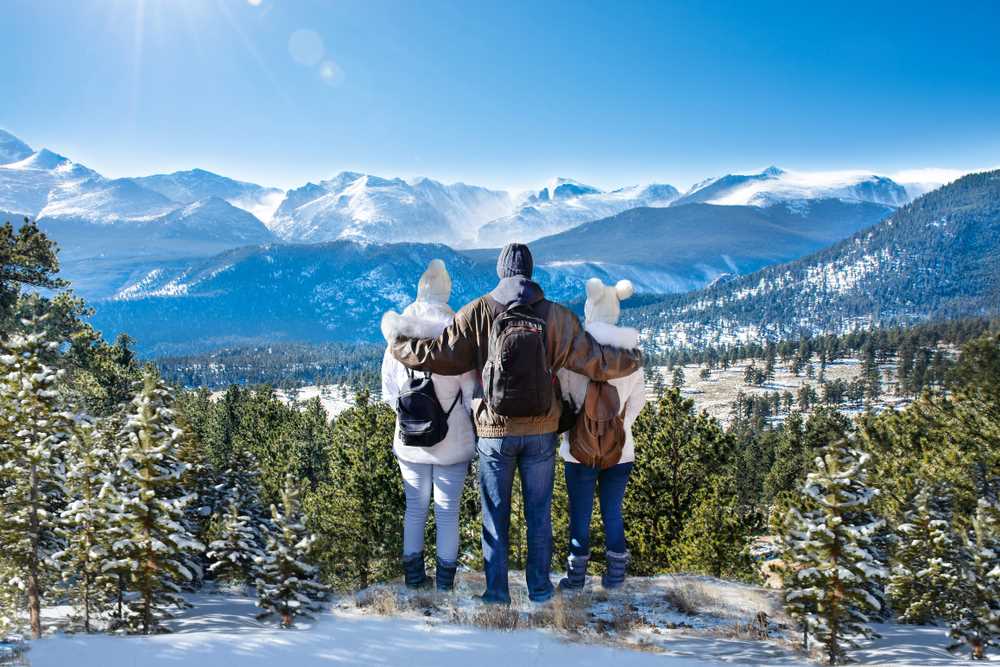
Most people visit Algonquin Park during the summer’s peak tourist season. They miss the park’s most magical transformation. Winter blankets this Ontario wilderness in pristine snow and serene silence. The crowds disappear. The landscape transforms into a breathtaking wonderland that rivals any alpine destination. Algonquin Park winter activities offer adventures that summer simply cannot match.
The Winter Magic of Algonquin
Winter reveals Algonquin’s true character. Frozen lakes stretch endlessly beneath brilliant blue skies. Snow-laden pines create cathedral-like corridors along forest trails. Wildlife tracks crisscross fresh powder, telling stories of nocturnal wanderings. The silence feels almost sacred, broken only by wind whispers and distant woodpecker drumming.
The park encompasses over 7,600 square kilometers of protected wilderness. This vast expanse provides endless exploration opportunities. Winter access requires more planning than summer visits. The rewards justify every bit of preparation. You experience nature in its rawest, most authentic form.
Temperature ranges create diverse conditions throughout the season. December and January bring the coldest weather with daytime highs around minus ten Celsius. February and March offer milder conditions while maintaining excellent snow coverage. Each month presents unique advantages for different activities and experience levels.
Cross-Country Skiing Paradise
Algonquin maintains over 80 kilometers of groomed cross-country ski trails. These routes wind through diverse terrain, showcasing the park’s winter beauty. Beginners find gentle paths perfect for learning basic techniques. Advanced skiers challenge themselves on longer, more demanding routes.
The Leaf Lake Ski Trail offers 5 or 10-kilometer options through mixed forest and frozen wetlands. Scenic viewpoints reward your efforts with panoramic vistas. Track-set trails accommodate classic skiing while skating lanes serve skate skiers. Both styles let you glide effortlessly through winter landscapes.
Minnesing Ski Trail provides a more challenging 23-kilometer journey. This advanced route traverses rolling hills and remote backcountry. You might encounter moose, deer, or the distinctive tracks of wolves and lynx. The trail connects with camping areas for multi-day adventures.
Equipment rental facilities operate at the park’s east gate. They stock quality skis, boots, and poles for all ability levels. Staff provide sizing assistance and basic technique instruction. Renting eliminates the need to invest in expensive equipment before knowing whether you enjoy the sport.
Snowshoeing Adventures
Snowshoeing in Algonquin opens the entire park to winter exploration. This accessible activity requires minimal skill and moderate fitness. Modern snowshoes make traversing deep snow almost effortless. You can explore anywhere without restricting yourself to groomed trails.
The Mizzy Lake Trail showcases incredible biodiversity within 11 kilometers. Nine small lakes dot this route through beaver ponds and marshland. Winter reveals animal activity impossible to observe during summer. Otter slides, fox trails, and raptor hunting perches become visible against white backgrounds.
Track and Tower Trail combines historical interpretation with natural beauty. This 7.5-kilometer loop passes the old railway bed and fire tower. The tower offers spectacular views when you brave the climb. Snow-covered forests stretch endlessly in every direction.
Snowshoeing in Algonquin allows spontaneous route creation. See an interesting ridgeline? Bushwhack toward it. Notice fresh tracks? Follow them respectfully. This freedom transforms every outing intoa unique adventure. You write your own story across unmarked snow.
Winter Camping Excellence
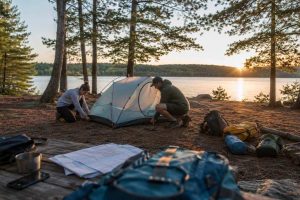
Winter camping in Algonquin delivers unforgettable experiences for properly prepared adventurers. The park maintains several winter-accessible campsites. Mew Lake Campground operates year-round with winter camping facilities. It provides easy access for first-time winter campers.
Mew Lake offers electrical hookups for RVs seeking winter experiences. Comfort stations with heated washrooms and showers remain open. This infrastructure provides security for families or individuals new to winter camping. You ease into cold-weather camping without committing to full wilderness exposure.
Backcountry winter camping in Algonquin represents the ultimate wilderness challenge. You ski or snowshoe to remote interior sites accessible only in winter. Frozen lakes become highways, allowing access to otherwise unreachable locations. The solitude and beauty defy description.
Proper equipment makes winter camping comfortable rather than miserable. Four-season tents withstand wind and snow loads. Winter-rated sleeping bags keep you warm through frigid nights. Insulated sleeping pads prevent ground cold from sapping body heat. Investing in quality gear transforms harsh conditions into cozy evenings.
Wildlife Viewing Opportunities
Winter reveals wildlife behavior hidden during other seasons. Animals leave clear evidence of their presence in fresh snow. You track their movements and learn their habits through visual clues. Patient observers witness incredible moments impossible during the summer.
Wolves roam Algonquin in small packs. Their tracks often parallel ski trails and logging roads. Hearing wolves howl under winter stars creates spine-tingling memories. The park occasionally offers guided wolf howling expeditions during late winter.
Moose browse on tender twigs throughout the park. These massive animals seem untroubled by deep snow. You might encounter them along trails or spot them feeding in frozen beaver ponds. Maintain a respectful distance and marvel at their winter adaptations.
Ravens, gray jays, and chickadees remain active through winter. They investigate campsites hoping for food scraps. Watching these intelligent birds survive harsh conditions teaches valuable lessons about resilience and adaptation.
Photography Opportunities
Winter transforms Algonquin into a photographer’s paradise. Dramatic lighting conditions create stunning images. Low sun angles cast long shadows across snow-covered landscapes. Clear winter air produces exceptional clarity and vibrant colors.
Golden hour extends during the winter months. The sun rises late and sets early, providing prolonged periods of magical light. Frozen mist above warming lakes creates ethereal scenes. Ice crystals catch light like diamonds scattered across the landscape.
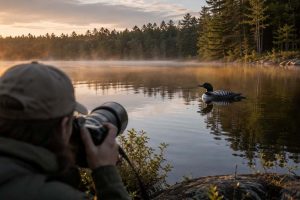
Wildlife photography benefits from increased visibility. Animals stand out dramatically against white backgrounds. Tracks in fresh snow lead you to wildlife locations. Patient photographers capture intimate behavioral moments rarely observed during summer.
Night photography reveals star-studded skies impossible to see in urban areas. The Milky Way arches brilliantly overhead. Northern lights occasionally dance across northern horizons. Long exposures capture star trails wheeling above frozen lakes.
Winter Hiking Experiences
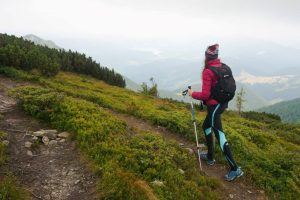
Winter hikes in Ontario reach their pinnacle in Algonquin Park. Trails maintained for cross-country skiing also accommodate winter hiking. Microspikes or crampons provide traction on packed snow and ice. Proper footwear keeps feet warm and dry through hours of exploration.
Hemlock Bluff Trail offers a moderate 2-kilometer loop with spectacular views. The cliff overlooks Jack Lake and the surrounding wilderness. Winter visibility extends for kilometers across frozen landscapes. This short trail rewards minimal effort with maximum scenery.
Booth’s Rock Trail challenges hikers with 5 kilometers of varied terrain. The summit provides 360-degree views encompassing multiple lakes and endless forests. The climb becomes more demanding in winter conditions. Your efforts earn solitude and breathtaking vistas.
Winter hikes in Ontario requirea different pace than summer excursions. You have to dress in layers to prevent overheating during exertion. Take frequent breaks to assess clothing needs and consume calories. You finish hikes well before darkness falls since winter days end early.
Visitor Center Resources
The Algonquin Visitor Centre operates year-round, providing essential services. Educational displays explain park ecology and natural history. Bookstore offerings include trail guides, natural history references, and topographic maps. Knowledgeable staff answer questions and provide current trail conditions.
The center’s observation deck overlooks Sunday Creek. Wildlife frequently appears in this area. Interpretive programs run regularly during winter weekends. Topics cover tracking, winter ecology, and wilderness survival skills.
Trail reports posted at the visitor center detail recent conditions. Snow depths, ice quality, and wildlife sightings help you plan daily activities. Weather forecasts specific to the park assist with clothing and equipment decisions.
Planning Your Winter Adventure
Successful winter visits require thorough preparation. You check weather forecasts repeatedly as trip dates approach. Assemble appropriate clothing using layering principles. You pack emergency supplies, including fire-starting materials and extra food.
Vehicle preparation prevents roadside disasters. Winter tires provide essential traction. Emergency kits include blankets, flashlights, and non-perishable food. You inform someone of your itinerary and expected return time.
Algonquin Park winter activities demand respect for nature’s power. Conditions can change rapidly. What begins as sunny weather may deteriorate into whiteout conditions. You remain flexible and prioritize safety over summit goals.
The Unique Winter Experience
Winter camping in Algonquin strips away modern distractions. No cell service means no digital interruptions. You live by natural rhythms dictated by daylight and weather. You appreciate simple pleasures like hot meals and warm sleeping bags.
Evenings around campfires create lasting memories. Stories emerge naturally in firelight. Constellations wheel overhead in pristine darkness. The cold emphasizeswarmthe. Discomfort teaches appreciation for comfort.
Essential Gear Recommendations
Proper equipment separates enjoyable experiences from dangerous situations. Your clothing system includes moisture-wicking base layers, insulating mid-layers, and windproof outer shells. You avoid cotton, which loses insulating properties when damp.
Footwear requires special attention. Insulated winter boots rated for extreme temperatures keep toes comfortable. Gaiters prevent snow from entering boot tops. Extra socks allowfor changes if feet become damp.
Navigation tools include GPS devices, maps, and compasses. You learn basic navigation skills before venturing into the backcountry. Whiteout conditions can disorient even experienced outdoor people.
Why Winter Beats Summer
Summer Algonquin suffers from crowding and mosquitoes. Popular campsites require reservations months in advance. Trails buzz with hikers and cyclists. The magic diminishes under tourist pressure.
Winter eliminates these problems. u often have entire trail systems to yourself. Campsites sit empty waiting for adventurous souls. Silence replaces summer’s constant human noise. You experience wilderness as it should be.
The challenge of winter conditions creates profound satisfaction. You overcome real obstacles through preparation and perseverance. Each successful trip builds confidence and competence. You discover capabilities you didn’t know you possessed.
Conclusion
Algonquin Park transforms into something extraordinary when winter arrives. Snow and ice create a landscape both beautiful and challenging. The park rewards adventurous visitors with experiences impossible during summer months. Whether you choose day trips or overnight expeditions, winter reveals Algonquin’s authentic wilderness character. Proper preparation and appropriate gear turn potentially harsh conditions into comfortable adventures. The silence, solitude, and stunning scenery create memories that last a lifetime. This winter, skip crowded ski resorts and discover why Algonquin Park winter activities attract dedicated outdoor enthusiasts who return year after year.
Frequently Asked Questions
Q1. Can I camp in Algonquin Park during the winter?
A: Yes, winter camping in Algonquin operates year-round at Mew Lake Campground with facilities. Backcountry winter camping requires proper equipment, experience, and permits. Both options provide incredible wilderness experiences in stunning landscapes.
Q2. What are the best winter activities in Algonquin Park?
A: Cross-country skiing, snowshoeing, winter hiking, wildlife tracking, and photography dominate winter activities. The park maintains groomed ski trails while allowing snowshoe access throughout. Ice fishing and winter camping attract hardcore enthusiasts.
Q3. How do I plan a winter trip to Algonquin?
A: Check weather forecasts, reserve campsites if needed, and assemble proper ggearr including four-season equipment. Inform someone of your plans, pack emergency supplies, and prepare your vehicle. Start with day trips before attempting overnight adventures.