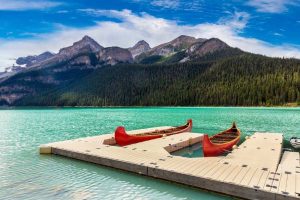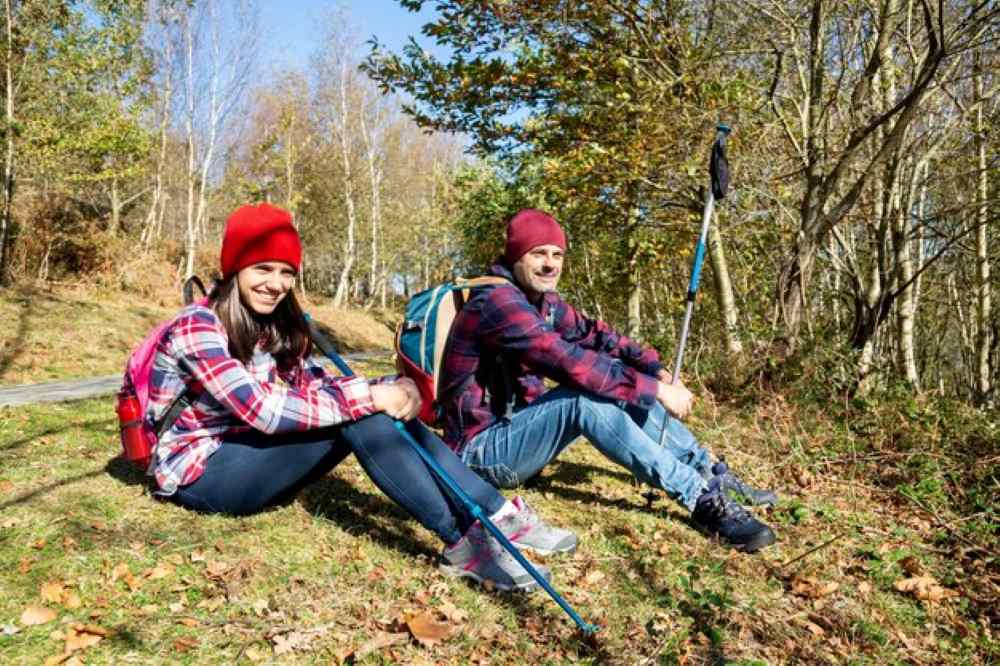
Nestled in the heart of Ontario lies one of Canada’s most beloved natural treasures: Algonquin Provincial Park. Spanning nearly eight thousand square kilometers of pristine wilderness, this iconic park offers some of the most spectacular hiking experiences in the country. From gentle lakeside strolls perfect for families to challenging backcountry routes that test even experienced hikers, hiking in Algonquin Park provides unforgettable encounters with the Canadian wilderness.
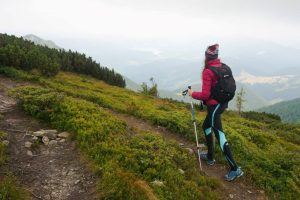
The park’s extensive trail network winds through dense forests of maple and pine, along rocky ridges offering panoramic vistas, past tranquil lakes reflecting endless skies, and through ecosystems teeming with wildlife. Whether you’re a first-time hiker seeking an accessible introduction to nature or a seasoned adventurer craving solitude and challenge, Algonquin’s diverse trails promise experiences that will leave you inspired, invigorated, and eager to return.
Why Algonquin Park is a Hiking Paradise
Algonquin Park’s reputation as a premier hiking destination stems from its remarkable combination of accessibility, diversity, and natural beauty. Located just a few hours’ drive from major urban centers like Toronto and Ottawa, the park offers easy access to wilderness that feels worlds away from city life. This proximity makes it possible to escape into nature for a day hike or extended backcountry adventure without extensive travel, appealing to both locals and tourists seeking authentic Canadian wilderness experiences.
The park’s ecological diversity creates a constantly changing scenery along its trails. Hardwood forests blaze with color during autumn, transforming hiking in Algonquin Park into a spectacular journey through nature’s most vibrant palette. Spring brings wildflowers carpeting forest floors and rushing streams swollen with snowmelt. Summer offers lush green canopies providing welcome shade and opportunities for wildlife viewing. Even winter transforms the landscape into a serene wonderland, with some trails accessible for snowshoeing and cross-country skiing.
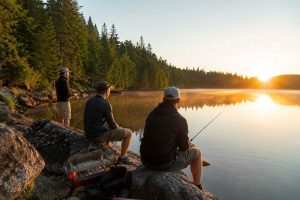
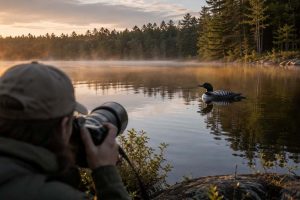
Wildlife encounters add magic to any hike through Algonquin. The park hosts healthy populations of moose, black bears, beavers, otters, and numerous bird species, including the iconic common loon whose haunting calls echo across lakes. While seeing these animals requires luck and timing, knowing you’re walking through a habitat where they thrive adds excitement and connection to the natural world.
Beginner-Friendly Trails: Perfect Starting Points
For those new to hiking or families with young children, Algonquin offers several accessible trails that provide rewarding experiences without demanding technical skills or extreme fitness. These paths introduce visitors to the park’s beauty while building confidence and appreciation for outdoor adventure.
The Beaver Pond Trail, a two-kilometer loop near the East Gate, stands as perhaps the perfect introduction to Ontario hiking trails. This mostly flat, well-maintained path circles a beautiful pond where beavers actively maintain their lodge and dam. Interpretive signs along the route explain the ecology and the crucial role beavers play in creating wetland habitats. Early morning or evening hikes often reward visitors with beaver sightings, and the short distance makes it manageable for all ages and fitness levels.
The Lookout Trail, while slightly more challenging with its two-kilometer length and elevation gain, remains accessible to most hikers and delivers spectacular rewards. The climb up rocky slopes leads to breathtaking panoramic views over the surrounding forest and distant lakes. Fall transforms this vantage point into one of the most photographed locations in the park, with endless waves of red, orange, and gold stretching to the horizon. The trail’s relatively short distance means even novice hikers can complete it comfortably while experiencing the satisfaction of reaching a summit viewpoint.
Mizzy Lake Trail offers a longer option at eleven kilometers, but its gentle terrain and fascinating ecology make it excellent for beginners wanting to extend their hiking experience. The trail traverses multiple ecosystems, including beaver ponds, lakes, marshes, and forests, providing diverse scenery and excellent wildlife viewing opportunities. Nine distinct ponds and wetlands along the route create habitat diversity that attracts moose, otters, and countless bird species. The loop can be completed in three to four hours, allowing a full morning or afternoon of exploration.
Intermediate Adventures: Building Your Skills
Hikers with some experience seeking more challenge and longer adventures will find excellent options among Algonquin trails that push boundaries while remaining accessible to those without extensive backcountry experience. These routes require more stamina and preparation but reward effort with deeper wilderness immersion and stunning natural features.
The Centennial Ridges Trail ranks among the most popular intermediate hikes in the park, and for good reason. This ten-kilometer loop takes hikers along a series of rocky ridges providing multiple spectacular viewpoints overlooking forests, lakes, and hills stretching into the distance. The trail gains significant elevation through sometimes steep and rocky sections, requiring good footwear and reasonable fitness. However, the effort delivers some of the best hiking in Ontario, with each viewpoint offering unique perspectives and photo opportunities. Fall color viewing from these ridges is simply unforgettable, though summer and spring hikes offer their own rewards with lush greenery and wildflowers.
Track and Tower Trail, a seven-and-a-half-kilometer loop, combines historical interest with natural beauty. The trail follows abandoned railway beds from the park’s logging era before climbing to a fire tower offering panoramic three-hundred-sixty-degree views. The mix of easy walking along old railbeds and more challenging sections ascending to the tower creates varied hiking experiences within a single route. The fire tower itself, while no longer in active use, can be climbed for even more spectacular vistas, making this trail a favorite among photographers and anyone seeking sweeping wilderness views.
Booth’s Rock Trail presents a shorter but more challenging option at five kilometers with steep sections and significant elevation gain. The destination, a massive cliff offering stunning views over Rock Lake, justifies every step of the sometimes difficult climb. The trail passes through beautiful forest before emerging at the rock face,e where hikers can rest, enjoy lunch, and soak in the remarkable scenery. This hike teaches important lessons about pacing, hydration, and the rewards of perseverance that serve hikers well on future adventures.
Advanced Challenges: True Backcountry Experiences
Experienced hikers seeking serious challenges and multi-day wilderness adventures will find hiking in Algonquin Park offers routes that test endurance, navigation skills, and backcountry competence. These trails demand proper preparation, appropriate gear, and respect for wilderness conditions, but provide unmatched experiences of solitude and natural immersion.
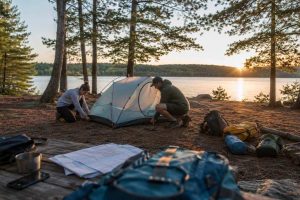
The Highland Backpacking Trail represents the best hiking in Ontario for backcountry enthusiasts. This thirty-five-kilometer loop typically requires two to three days to complete, with designated campsites requiring reservations. The trail traverses some of Algonquin’s most remote and rugged terrain, climbing through hardwood forests, crossing streams, skirting lakes, and ascending multiple ridges offering spectacular vistas. The physical demands are significant, with steep climbs, rocky sections, and the need to carry full backpacking gear, including a tent, a sleeping bag, food, and cooking equipment.
However, the rewards match the effort. The solitude found on this trail, particularly on weekdays or outside peak season, provides rare opportunities to experience true wilderness. Camping beside pristine lakes with no sounds except wind, water, and wildlife creates profound connections to nature impossible in more developed areas. Wildlife encounters occur more frequently in these remote regions, with moose sightings common near wetlands and lakes. The night sky, unpolluted by artificial light, reveals stars in overwhelming abundance.
Western Uplands Backpacking Trail offers an even more extensive backcountry experience with thirty-two kilometers of challenging terrain requiring three to four days to complete. This trail demands strong navigation skills as sections follow less-defined paths through the wilderness. Creek crossings, beaver ponds, and varied terrain require flexibility and problem-solving. The trail’s remoteness means help is hours away in emergencies, emphasizing the importance of preparation, proper gear, and hiking with partners.
Seasonal Considerations and Best Times to Visit
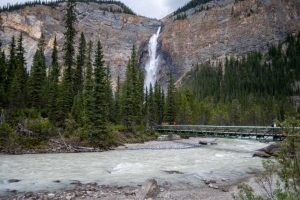
Each season transforms Algonquin trails into different experiences, with distinct advantages and considerations. Spring, from late April through June, brings rushing waterfalls swollen with snowmelt, emerging wildflowers, and active wildlife as animals become more visible after winter. However, trails can be muddy, black flies and mosquitoes are abundant in late May and June, and some trails may remain closed due to conditions. Early spring hikers should prepare for bugs and possibly snow at higher elevations.
Summer, from July through August, offers the most reliable weather and fully accessible trails. Warm temperatures make hiking comfortable, though afternoon thunderstorms require attention and flexibility. Crowds peak during summer, particularly on weekends and holidays, so popular trails see heavy traffic. Arriving early or choosing weekdays helps avoid congestion. Bug populations decline by mid-summer, making hiking more pleasant.
Fall, particularly late September through mid-October, provides the most spectacular hiking experiences. The famous Algonquin autumn colors transform forests into breathtaking displays of red, orange, yellow, and gold. Temperatures cool to comfortable hiking levels, bugs disappear, and wildlife activity increases as animals prepare for winter. However, this prime season attracts enormous crowds, and accommodation books months in advance. Popular viewpoint trails like Centennial Ridges see hundreds of hikers daily during peak color weekends.
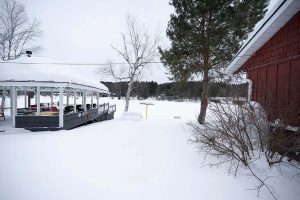
Winter hiking requires specialized equipment and skills, but rewards prepared adventurers with serene, snow-covered landscapes and near-total solitude. Snowshoes or cross-country skis allow exploration of trails transformed into winter wonderlands. However, only experienced winter campers should attempt overnight trips given the extreme cold and potential dangers.
Essential Preparation and Safety Tips
Successful hiking in Algonquin Park requires proper preparation regardless ofthe chosen trail difficulty. Even short day hikes demand attention to basics that ensure safe, enjoyable experiences. Always carry adequate water, with the rule of thumb being one liter per person per two hours of hiking. Water sources exist throughout the park, but purification is essential as Giardia and other contaminants occur in even pristine-looking streams and lakes.
Weather in Algonquin changes rapidly, and conditions can vary dramatically between trailheads and higher elevations. Layered clothing allows adjustment to changing temperatures, and waterproof rain gear proves essential even on apparently clear days. Summer afternoon thunderstorms develop quickly, and being caught exposed on ridges or summits during lightning storms is dangerous. Monitor weather forecasts, start hikes early, and be prepared to turn back if conditions deteriorate.
Navigation tools, including detailed trail maps and, increasingly, GPS devices or smartphone apps with offline maps, prevent getting lost even on well-marked trails. While major day-use trails are clearly signed, junctions can be confusing, and taking a wrong turn can lead to hours of extra hiking. Cell phone service is unreliable throughout much of the park, so don’t depend on phones for navigation without downloaded offline maps.
Wildlife safety requires awareness and appropriate behavior. Store food securely, never approach or feed animals, make noise while hiking to avoid surprising bears or moose, and know proper protocols if you encounter wildlife at close range. Bear canisters or proper food hanging techniques are mandatory for backcountry camping, and even day hikers should secure food in vehicles rather than leaving it in packs at trailheads.
Trail Etiquette and Conservation
Preserving Algonquin’s natural beauty requires every hiker to follow Leave No Trace principles. Pack out all garbage,e including organic waste like fruit peels or cores. Stay on designated trails to prevent erosion and protect fragile vegetation. Camp only in designated sites for backcountry trips, and practice low-impact camping techniques. Respect quiet hours and other visitors’ experiences by minimizing noise.
The park’s popularity createpressurees on ecosystems and trail infrastructure. Choosing less-trafficked trails during peak seasons, visiting on weekdays when possible, and planning trips during shoulder seasons all help distribute impact and preserve the wilderness character that makes Ontario hiking trails so special.
Conclusion
Algonquin Provincial Park stands as a crown jewel among Ontario’s natural treasures, offering hiking experiences that cater to every skill level and interest. From gentle interpretive trails perfect for introducing children to nature, through intermediate routes building skills and confidence, to challenging backcountry adventures testing experienced hikers, the diversity of Algonquin trails ensures everyone can find their perfect wilderness experience.
The park’s accessibility, combined with genuine wilderness character,r creates rare opportunities to disconnect from modern life and reconnect with the natural world. Whether you complete a two-kilometer lakeside loop or embark on a multi-day backcountry expedition, hiking in Algonquin Park provides memories, inspiration, and perhaps most importantly, a deeper appreciation for the wild places that define Canada’s natural heritage.
As you plan your Algonquin adventure, remember that the best hike isn’t necessarily the longest or most challenging—it’s the one that matches your abilities, interests, and desired experience, leaving you inspired to return and explore more of this magnificent wilderness.
Frequently Asked Questions
Q1. What are the best hiking trails for beginners in Algonquin?
A: The Beaver Pond Trail offers an easy two-kilometer loop with wildlife viewing, while the Lookout Trail provides a short but rewarding climb to spectacular views. Mizzy Lake Trail extends to eleven kilometers through diverse ecosystems, perfect for beginners wanting longer adventures.
Q2. Which Algonquin Park trails offer the best views?
A: Centennial Ridges Trail provides the most spectacular panoramic vistas from multiple rocky ridges, while Track and Tower Trail’s fire tower offers three-hundred-sixty-degree views. Booth’s Rock Trail delivers stunning cliff-top perspectives over Rock Lake, worth the challenging climb.
Q3. How do I prepare for a multi-day hike in Algonquin?
A: Reserve campsites in advance, pack lightweight backpacking gear including a tent and a sleeping bag, bring water purification methods, carry detailed maps and navigation tools, prepare for weather changes with proper clothing, store food in bear canisters, and inform someone of your itinerary.