Outdoor tourism continues growing across Canada, and many travelers are now exploring the best hiking trails Ontario 2026 has to offer. From peaceful forest paths to rugged cliffside viewpoints, Ontario provides hiking experiences for every skill level. Cottage country and the areas surrounding Algonquin Park remain especially popular because they combine lakes, dense forests, wildlife, and scenic landscapes that attract both beginners and experienced hikers.
People searching for hiking near Algonquin Park, Ontario locations often discover that the region offers far more than just camping and canoeing. The surrounding trails provide access to waterfalls, lookouts, wetlands, and wildlife viewing areas that showcase some of the province’s most beautiful natural scenery.
Famous Hiking Trails Around Algonquin Park
One of the most recommended trails in any Ontario hiking trails guide 2026 list is the Centennial Ridges Trail inside Algonquin Park. This route is known for its panoramic cliff views, rolling terrain, and scenic forest sections. It is considered moderately difficult and is ideal for hikers looking for longer adventures with rewarding viewpoints.
Another popular option for hiking near Algonquin Park, Ontario, is the Track and Tower Trail. This trail combines elevated lookouts with historical railway sections and lake views. The route offers moderate difficulty and remains accessible for many casual hikers.
Beginners often enjoy the Spruce Bog Boardwalk Trail, which is shorter and easier while still offering impressive scenery. Boardwalk sections allow visitors to explore wetlands and forest environments safely without intense climbing or technical hiking.
Hidden Gems in Ontario Cottage Country
Many travelers researching easy and hard hikes in Ontario’s cottage country prefer exploring lesser-known trails outside crowded tourist areas. Dorset Lookout Trail is one hidden gem that offers beautiful elevated lake views during both summer and fall seasons. The trail is shorter but delivers excellent scenery with relatively easy access.
Another strong option is the Limberlost Forest trails near Huntsville. This network includes routes for beginners and advanced hikers, making it ideal for families or mixed skill groups. These quieter trails often provide better wildlife viewing opportunities and a more peaceful hiking experience compared to heavily visited parks.
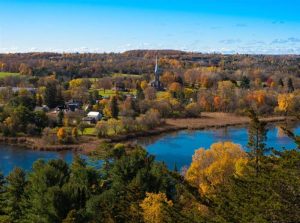
People exploring the best hiking trails in Ontario 2026 destinations also frequently visit Arrowhead Provincial Park for its scenic riverside trails and forest routes. During autumn, the area becomes especially popular because of the vibrant fall colors across the landscape.
Easy vs Challenging Hiking Routes
One reason Ontario hiking trails guide 2026 searches continue increasing is the wide variety of trail difficulty levels available across the province. Easy hikes usually include shorter distances, flatter terrain, and clearly maintained paths. These trails work well for beginners, families, and casual visitors looking for relaxed outdoor experiences.
More advanced routes involve steep climbs, rocky surfaces, longer distances, and elevated viewpoints. Hikers researching easy and hard hikes in Ontario cottage country locations should always review trail conditions, weather forecasts, and difficulty ratings before starting.
Experienced hikers often prefer difficult routes because they offer stronger physical challenges and more remote scenery. However, beginners can still enjoy Ontario’s outdoor landscapes by selecting accessible trails with proper preparation.
What to Pack for a Day Hike
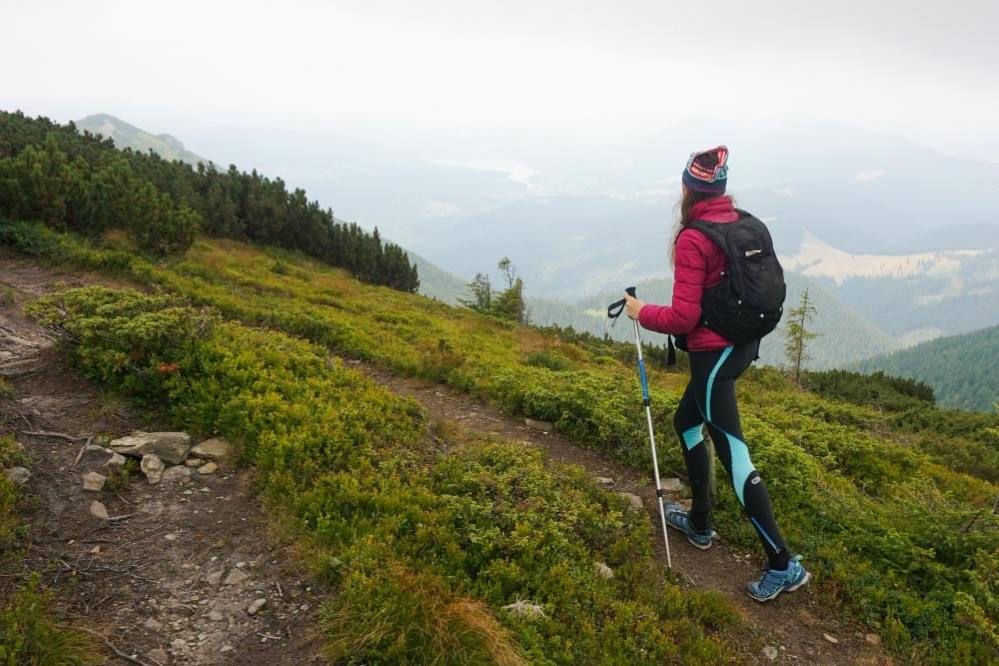
Anyone planning hiking near Algonquin Park, Ontario, adventures should prepare properly before entering the trails. Essential hiking gear includes:
• Comfortable hiking shoes
• Water bottles or hydration packs
• Weather-appropriate clothing
• Snacks or energy bars
• Bug spray
• Sunscreen
• Small first aid kit
• Phone or trail map
Ontario weather conditions can change quickly, especially in forest and lake regions. Hikers exploring the best hiking trails in Ontario in 2026 should dress in layers and prepare for sudden temperature changes or rainfall.
Best Time of Year to Hike
Many people consider fall the best season for hiking near Algonquin Park, Ontario, because of cooler temperatures and colorful autumn foliage. September and October attract thousands of visitors looking to experience Ontario’s famous fall colors.
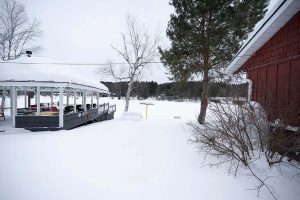
Summer remains popular for longer hikes and lake activities, while spring offers quieter trails and fresh greenery. Winter hiking is also possible in certain areas, although snow and ice conditions may require additional equipment and experience.
When planning easy and hard hikes in Ontario cottage country adventures, hikers should always check seasonal conditions, trail closures, and wildlife advisories before traveling.
Why Hiking Continues Growing in Popularity
Interest in outdoor wellness continues to rise across Canada, which explains why Ontario hiking trails guide 2026 searches keep increasing. Hiking offers physical exercise, stress reduction, mental relaxation, and opportunities to reconnect with nature away from busy urban environments.
The best hiking trails in Ontario 2026 combine natural beauty, accessible adventure, and peaceful outdoor environments that appeal to all age groups. Whether someone wants a relaxing forest walk or a demanding ridge climb, Ontario’s cottage country and Algonquin region continue to offer some of Canada’s most memorable hiking experiences.
FAQ’s
Q1. What are the best hiking trails in Algonquin Park?
A: Popular trails include Centennial Ridges, Track and Tower Trail, Lookout Trail, and Spruce Bog Boardwalk.
Q2. Are the hiking trails in Algonquin Park suitable for beginners?
A: Yes. Algonquin Park offers beginner-friendly trails as well as more advanced hiking routes for experienced visitors.
Q3. What should I pack for a day hike in Ontario?
A: Bring hiking shoes, water, snacks, layered clothing, bug spray, sunscreen, and a small first aid kit.
Q4. When is the best time of year to hike in Algonquin Park?
A: Fall is especially popular because of autumn colors, although summer and spring also provide excellent hiking conditions.