There’s something magical about a clear night sky — the quiet shimmer of distant stars, the faint outline of the Milky Way, and the sense of wonder that connects us to the universe. In the heart of Ontario, one of the best places to experience this celestial magic is Algonquin Park, especially for visitors staying at the Algonquin Inn. With minimal light pollution and pristine natural surroundings, the park offers an unmatched stargazing experience that attracts travelers, photographers, and astronomy lovers from around the world.
Nestled at the edge of this wilderness is the Algonquin Inn, a cozy lakeside retreat that serves as the perfect base for night sky adventures. For anyone dreaming of stargazing in Algonquin Park, this destination is nothing short of a celestial haven.
1. Why Algonquin Park Is a Stargazing Paradise
Few places in Ontario can rival the dark, uninterrupted beauty of Algonquin’s night sky. Spanning over 7,600 square kilometers, the park’s vast forests and remote lakes create one of the province’s best dark sky Ontario environments — far away from the glare of city lights.
When the sun sets, the park transforms into a natural planetarium. On clear nights, visitors can see:
- Thousands of stars unaided by telescopes
- The Milky Way stretches across the horizon
- Bright planets like Jupiter, Venus, and Saturn
- Seasonal constellations such as Orion, Cassiopeia, and Ursa Major
For amateur astronomers and casual travelers alike, stargazing in Algonquin Park is more than a visual delight — it’s a deeply peaceful experience, reconnecting you with nature in its most tranquil form.
2. Algonquin Inn: A Stargazer’s Gateway
Located just minutes from the park’s west gate, the Algonquin Inn offers an ideal combination of comfort and proximity to the stars. Overlooking Oxtongue Lake, it provides guests with easy access to clear skies and open viewing areas right on the property.
Guests can simply step outside their room, walk to the lakeshore, and look up to witness breathtaking cosmic displays. Whether you’re a night photographer or simply enjoying a romantic getaway, stargazing in Algonquin Park from the Inn’s grounds provides both convenience and serenity.
For a more immersive experience, many guests take short drives deeper into the park, where the skies grow even darker — perfect for those chasing the most vivid Milky Way sightings or long-exposure photography.
3. What Makes Algonquin a True “Dark Sky” Destination
Algonquin Park isn’t officially designated as a dark-sky preserve yet, but it’s one of the most pristine dark-sky sky in Ontario available to the public. The absence of major cities or highways nearby makes it an ideal place for astronomers seeking clear visibility.
Even on moonlit nights, stars shine brightly here. The park’s elevation, clean air, and reflective lakes enhance visibility, making the constellations appear sharper and more vibrant than anywhere else in southern Ontario.
To maximize your experience, choose nights with:
- No or minimal moonlight (check lunar phases)
- Low humidity and cloud coverage
- New Moon weekends for deep-sky observation
Under these conditions, you can see celestial details that simply disappear in urban environments — nebulae, shooting stars, and even faint galaxies.
4. Night Photography in Canada’s Wilderness
For photographers, night photography in Canada doesn’t get much better than Algonquin. With its unspoiled landscapes and star-filled sky, the park provides a dreamlike setting for astrophotography.
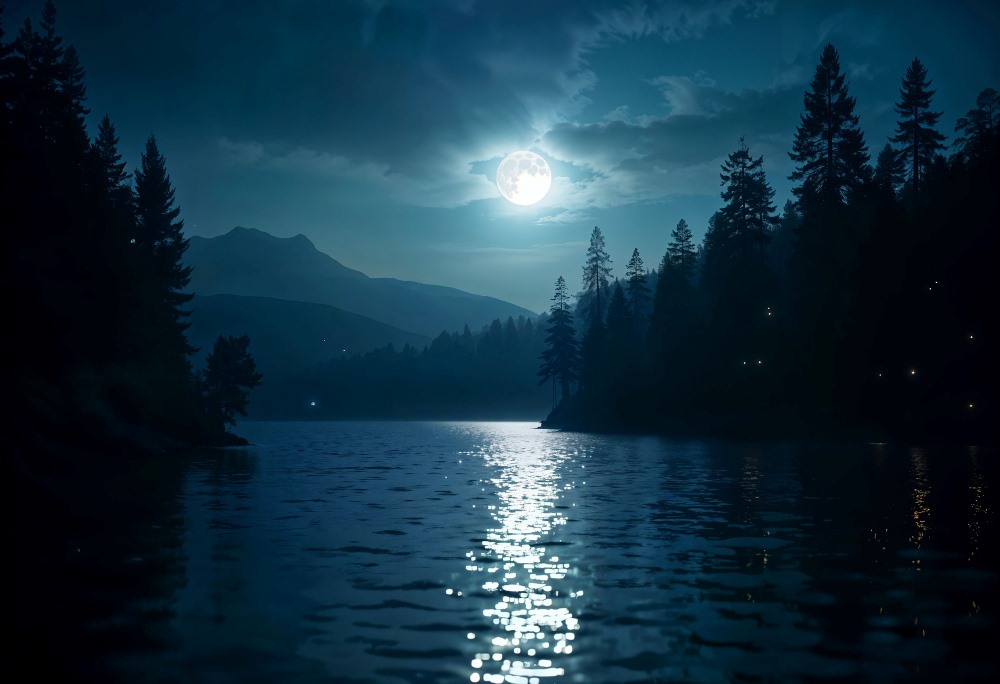
From the Inn’s lakeside docks, reflections of the stars shimmer across calm waters — creating postcard-perfect compositions. The surrounding pines and silhouettes of canoes add a distinctly Canadian charm to your shots.
Some of the best techniques for astrophotography here include:
- Using a tripod for long exposures (15–30 seconds)
- Shooting during a new moon
- Bringing a wide-angle lens with a fast aperture (f/2.8 or lower)
- Adjusting ISO between 1600–3200 for clear sky capture
- Experimenting with foreground elements (trees, lakes, cabins)
Even beginners can capture breathtaking results. For pros, stargazing in Algonquin Park offers endless opportunities to combine landscape and sky photography into a single, immersive art form.
5. The Best Times to Visit for Stargazing
While the stars are visible year-round, some seasons offer particularly stunning celestial events.
Spring and Summer (April–August):
This is the best time to view the Milky Way, which arches across the sky in full brightness. Warm evenings make it comfortable for extended sky-watching or late-night photography sessions.
Autumn (September–October):
Fall brings crisp air and reduced humidity, which improves clarity. You’ll often see shooting stars, satellites, and brilliant constellations mirrored in Algonquin’s still lakes. It’s also an ideal time for pairing stargazing with fall foliage hikes.
Winter (December–February):
Winter skies are exceptionally clear, though temperatures can be extreme. The long nights and snow-covered ground create ethereal scenes for night photography enthusiasts.
6. Astronomy Travel: A Growing Tourism Trend
In recent years, astronomy travel has become one of the fastest-growing niches in global tourism. Travelers are seeking destinations that combine scenic landscapes with opportunities to experience the cosmos. Algonquin Park’s accessibility and natural beauty make it a top contender in this category.
Visitors from across North America now plan their trips specifically around meteor showers, eclipses, and aurora borealis sightings. The park’s remote yet comfortable lodges — like Algonquin Inn — cater perfectly to this audience, blending nature, relaxation, and astronomy in one unforgettable stay.
For astronomy enthusiasts, this means you can plan your next vacation not just around hiking or kayaking, but around the stars themselves.
7. Stargazing Etiquette and Preparation Tips
If you’re new to stargazing in Algonquin Park, a few simple practices can make your experience even more enjoyable:
- Bring a red flashlight: It preserves night vision while helping you navigate safely.
- Dress warmly: Even summer nights can get chilly near the lakes.
- Avoid bright lights: Flashlights or phone screens can disrupt others’ night vision.
- Use star maps or apps: Identify constellations and track the Milky Way in real time.
- Stay patient: The best sights often reveal themselves after your eyes adjust (about 20 minutes).
With these habits, you’ll enhance both your own viewing experience and that of others sharing the same sky.
8. Beyond the Stars: Nighttime Experiences at Algonquin Inn
The magic of stargazing in Algonquin Park extends beyond simply watching the sky. Guests at the Algonquin Inn can make it part of a full evening experience.
Enjoy dinner overlooking Oxtongue Lake, then step outside for a lakeside campfire under a dome of stars. The Inn also offers cozy rooms and suites with lake views, perfect for winding down after an evening of skywatching.
For couples, it’s an unforgettable romantic setting. For families, it’s an educational and awe-inspiring experience — a chance to introduce children to astronomy and nature simultaneously.
9. Events and Celestial Highlights in 2025
If you’re planning your astronomy travel itinerary for 2025, there are several key celestial events worth marking on your calendar:
- April: Lyrid Meteor Shower
- August: Perseid Meteor Shower (best visible in dark-sky regions like Algonquin)
- October: Draconids Meteor Shower
- December: Geminids Meteor Shower — the year’s brightest display
During these periods, the skies above Algonquin are alive with shooting stars — a dream scenario for night photographers and stargazers alike.
10. Why Algonquin Inn Is the Ideal Stargazing Retreat
What sets Algonquin Inn apart from other accommodations is its seamless balance between comfort and natural immersion.
- Prime Location: Just outside the park’s boundary, offering easy access to top stargazing points.
- Private Waterfront: Perfect for astrophotography and reflection shots.
- Quiet Ambiance: Minimal artificial lighting ensures optimal star visibility.
- All-Season Access: Open throughout the year for guests chasing the Milky Way or winter constellations.
For travelers who value both convenience and authenticity, it’s the ultimate home base for stargazing in Algonquin Park in luxury and tranquility.
Conclusion
As light pollution spreads across cities, finding a truly dark sky has become a rare gift — and Algonquin Park offers one of the last frontiers of celestial clarity in southern Canada. Whether you’re an astronomy enthusiast, a photographer, or simply someone looking for a peaceful escape, the Algonquin Inn invites you to reconnect with the cosmos in its purest form.
From capturing constellations mirrored on glassy lakes to witnessing meteor showers streak across the heavens, stargazing in Algonquin Park is an experience that reminds us how vast — and beautiful — our universe truly is.
So, pack your camera, download your star map, and head north. The night sky above Algonquin is waiting to inspire you.
FAQ’s
Q1. Where can I stargaze in Algonquin Park?
A: The best spots for stargazing in Algonquin Park include Lake of Two Rivers, Oxtongue Lake near Algonquin Inn, and Rock Lake — all offering wide-open views and minimal light pollution.
Q2. What time of year is best for seeing the Milky Way?
A: The Milky Way is most visible from May to September. Summer months provide warmer evenings and optimal conditions for both night photography in Canada and deep-sky viewing.
Q3. Does Algonquin Inn offer stargazing spots?
A: Yes. The Algonquin Inn features lakefront areas ideal for stargazing in Algonquin Park, including private docks and clear vantage points perfect for relaxation or astrophotography.