Algonquin Park isn’t just one of Canada’s oldest and most iconic parks — it’s also one of the best places in North America for wildlife viewing. With its sprawling forests, glistening lakes, and peaceful wetlands, Algonquin offers an incredible chance to observe animals in their natural habitat. Whether you’re hoping to catch a glimpse of a moose feeding at sunrise, a family of beavers building their lodge, or a black bear wandering through the pines, timing your visit is everything.
This comprehensive guide explores when and where to go for the best Algonquin wildlife watching, what seasons offer the highest chances of sightings, and why this park remains a favourite for nature enthusiasts, photographers, and adventurers across the globe.
1. Why Algonquin Park Is a Wildlife Haven
Spanning over 7,600 square kilometres, Algonquin Park is a mosaic of forests, wetlands, and rivers — an ecological crossroads between the northern boreal forest and southern deciduous zones. This unique location supports a rich diversity of species, making it one of the top destinations for nature tours Canada has to offer.
The park is home to:
- Over 50 species of mammals
- More than 260 bird species
- Dozens of amphibians and reptiles
- Endless plant and aquatic life
It’s no wonder Algonquin wildlife watching draws thousands of visitors year-round.
2. Spring: The Season of Renewal and Moose Sightings
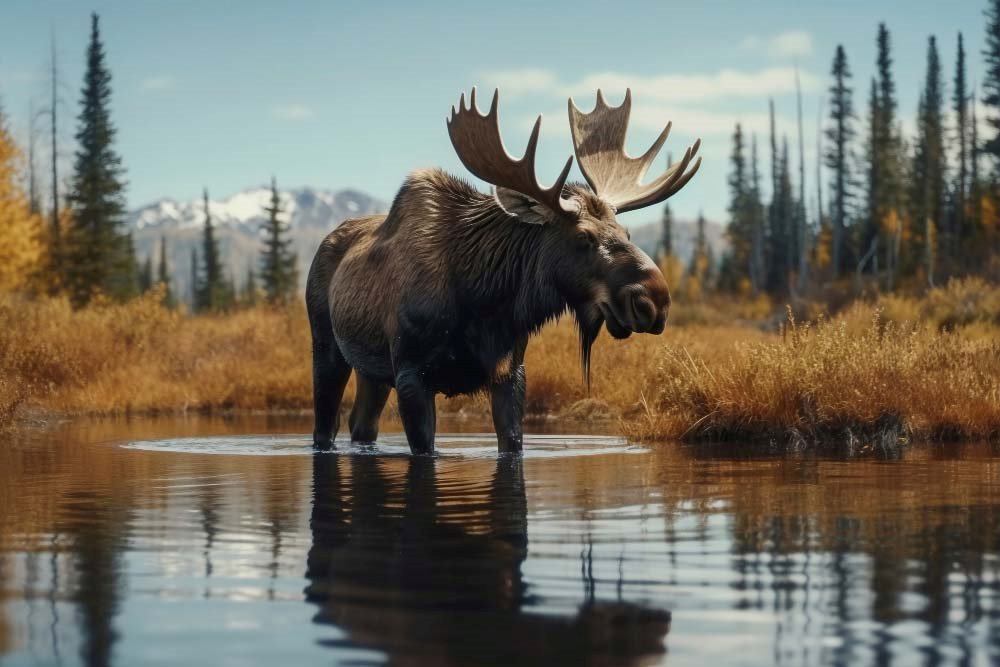
Spring is arguably the best time to see Algonquin’s most famous resident — the moose. As the snow melts in April and May, moose emerge from the forest in search of salt and fresh vegetation. You’ll often find them along Highway 60, feeding near roadside ponds and wetlands.
Why Spring Is Ideal for Moose Sightings in Ontario
- Melting snow reveals fresh greenery that attracts large herbivores.
- Roadside salt from winter maintenance draws moose close to the highways.
- Cooler temperatures make morning and evening viewing comfortable.
The best moose sightings Ontario offers typically occur in early morning or late afternoon. Visitors staying at local lodges, such as Algonquin Inn, can easily plan sunrise drives or guided photography tours to maximize chances.
3. Summer: Beaver Activity and Birdwatching Bliss
Summer in Algonquin is alive with sound and movement. Beavers, one of Canada’s national symbols, are highly active at dawn and dusk. Look for ripples on calm lakes, chewed logs, or the distinctive “slap” of a beaver tail on water — their signal of alarm.
Where to See Beavers in Summer
- Mew Lake and Lake of Two Rivers
- Beaver Pond Trail (a must-do for families)
- Costello Creek and Pog Lake areas
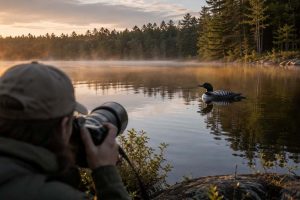
Late June through August is also the peak time for birdwatchers, as over 150 bird species fill the air with song. Loons, herons, and ospreys are commonly seen gliding over lakes — a highlight for anyone on nature tours in Canada.
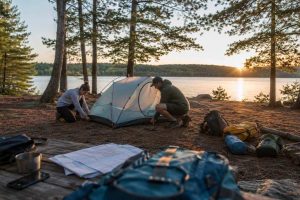
Summer is also a great time for canoeing, fishing, and camping, allowing visitors to combine outdoor recreation with Algonquin wildlife watching.
4. Autumn: The Season of Bears and Breathtaking Colours
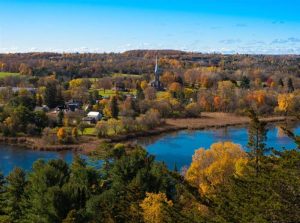
Autumn transforms Algonquin into a fiery display of red, orange, and gold — and it’s also the best season for spotting black bears. As temperatures cool, bears become more active, foraging to prepare for hibernation.
Tips for Safe Bear Watching
- Visit in the early morning or evening when bears are most active.
- Keep a safe distance and never approach or feed wildlife.
- Look for bears near berry bushes, oak forests, and backcountry trails.
In addition to bears, fall is an excellent time for moose sightings in Ontario as males enter their rut (mating season). You may even hear the distinct grunts or see antler displays in swampy clearings.
September through October offers some of the best times for wildlife in Algonquin, combining brilliant fall scenery with abundant animal activity.
5. Winter: Tracking Wildlife in the Snow
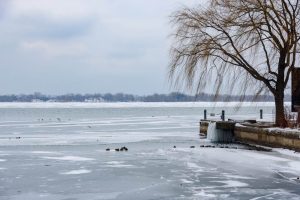
While many visitors assume winter is quiet in Algonquin, it’s actually one of the most rewarding seasons for dedicated wildlife trackers. Snow reveals footprints of wolves, foxes, deer, and even otters along frozen creeks.
Winter Wildlife Highlights
- Wolves: Occasionally heard howling during guided winter trips.
- Otters: Spotted sliding playfully across icy lakes.
- Deer and Moose: Foraging in forest edges.
Winter tours also include guided snowshoeing or photography excursions, offering a peaceful way to enjoy Algonquin wildlife watching without crowds.
This season is especially suited for those seeking solitude and close observation — proof that Algonquin is a year-round wildlife paradise.
6. Best Time for Wildlife in Algonquin
While every season offers something unique, your ideal visit depends on what you want to see.
| Season | Wildlife Highlights | Best Viewing Time |
|---|---|---|
| Spring (Apr–May) | Moose feeding near roadsides | Early morning |
| Summer (Jun–Aug) | Beavers, loons, foxes, herons | Dawn and dusk |
| Fall (Sep–Oct) | Bears, moose rut, birds migrating | Morning & evening |
| Winter (Dec–Mar) | Wolves, otters, deer tracks | Midday sunlight |
For many travellers, May and October are considered the best times for wildlife Algonquin experiences due to moderate weather, fewer insects, and heightened animal activity.
7. Planning Your Algonquin Wildlife Adventure
A successful wildlife trip in Algonquin requires thoughtful planning. Here’s what you need to know before you go.
Best Viewing Spots
- Highway 60 Corridor: Easy access to lakes and trails.
- Beaver Pond Trail: Great for spotting beavers, birds, and turtles.
- Spruce Bog Boardwalk: Excellent for moose and deer.
- Lookout Trail: Offers panoramic views during the fall foliage season.
Guided Outdoor Canoe Tours
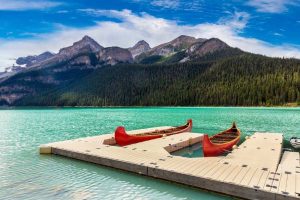
Joining guided outdoor canoe tours is one of the best ways to see wildlife up close. Professional guides know the park’s most active areas and teach paddlers how to move quietly through nature. These tours often include moose viewing, loon spotting, and beaver lodge exploration.
Many outfitters offer flexible options — from half-day paddles to multi-day backcountry expeditions — combining exercise with unforgettable wildlife encounters.
8. Where to Find Algonquin Rentals and Lodging
If you’re planning an extended stay, numerous Algonquin rentals and lodges cater to wildlife enthusiasts.
Popular Options Include:
- Algonquin Inn: Close to park access and canoe rentals.
- Killarney Lodge: Cozy lakeside cabins for couples and families.
- Pog Lake Campground: Great for camping near key wildlife areas.
- Oxtongue Lake Cottages: Perfect base for photographers.
These Algonquin rentals often provide direct access to canoe launches, hiking trails, and guided wildlife excursions, allowing visitors to explore comfortably at their own pace.
9. Tips for Responsible Wildlife Watching
Ethical wildlife viewing ensures safety for both humans and animals. Keep these key principles in mind:
- Maintain a respectful distance (use binoculars or zoom lenses).
- Avoid loud noises or sudden movements.
- Never feed or chase wildlife.
- Stay on marked trails and boardwalks.
- Travel in small groups to minimize disturbance.
- Support eco-friendly tour operators.
Practicing sustainable tourism helps preserve Algonquin’s delicate ecosystems so future generations can enjoy them too.
Conclusion
From moose and beavers to bears and loons, Algonquin Park is a wildlife enthusiast’s dream. Each season offers new opportunities to connect with nature, capture breathtaking photos, and experience Canada’s wilderness at its best. Whether you’re joining outdoor canoe tours, hiking a quiet forest trail, or staying lakeside at one of many Algonquin rentals, every visit promises a chance to witness something extraordinary. For anyone who loves Algonquin wildlife watching, this park remains one of the most rewarding places on earth — where every ripple, rustle, and distant call tells the story of Canada’s natural beauty.
FAQ’s
Q1. When is the best time to see moose in Algonquin Park?
A: Late spring (April–May) and early fall (September–October) are prime times. During these months, moose often gather around roadside ponds or open meadows to feed and cool off.
Q2. What animals can I see around Algonquin Inn?
A: Guests can spot moose, beavers, deer, foxes, loons, and otters nearby. The inn’s proximity to lakes and trails makes it an excellent base for year-round wildlife watching adventures.
Q3. Are there guided wildlife tours near Algonquin?
A: Yes, several companies offer guided canoe and photography excursions within the park. These outdoor canoe tours include moose and beaver spotting, birdwatching, and educational eco-tours led by local experts.